|
|
|
|
Dear agroforestry enthusiasts,
|
Please find the latest AFaktive newsletter issue below. There, you will find updates on the status of the project and its sites (spoiler alert, they´re growing!), as well as on its publications, past and upcoming events, and relevant news from the network.
|
For the daily updates, follow us on social media and check out the newest videos on our YouTube channel.
|
You are welcome to forward the newsletter to your contacts and interested parties. Let the AFaktive community grow! We look forward to hearing your feedback and exchanging ideas with you.
|
|
|
|
|
|
“The complexity [of agroforestry systems] does not only pose challenges […] but also offers many opportunities for the environment and for the agricultural production”
|
|
|
|
|
AFaktive progress
New AFaktive pilot site – erosion protection in Saarland
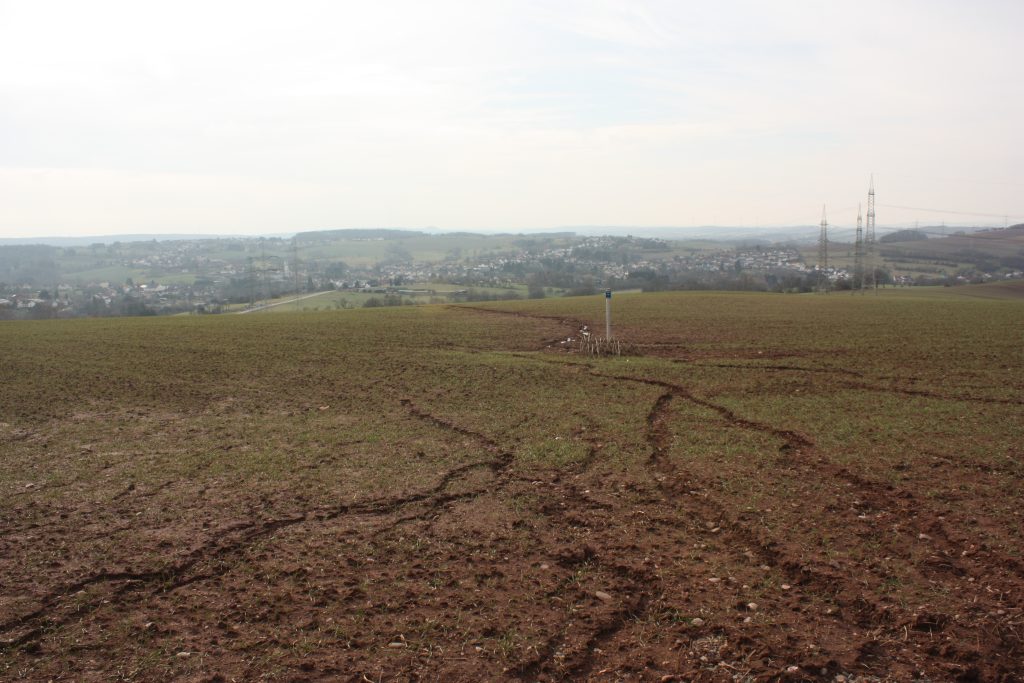
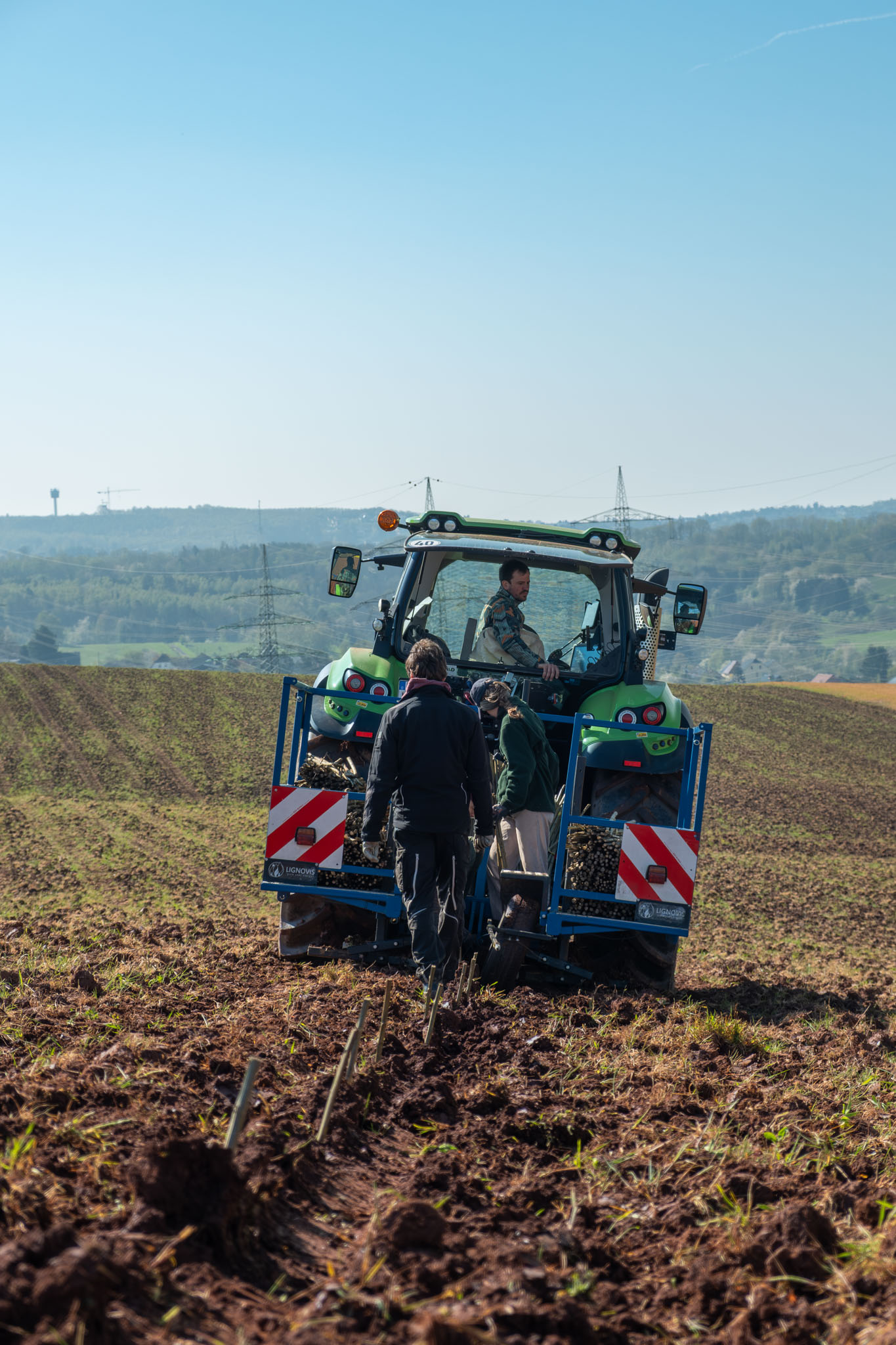
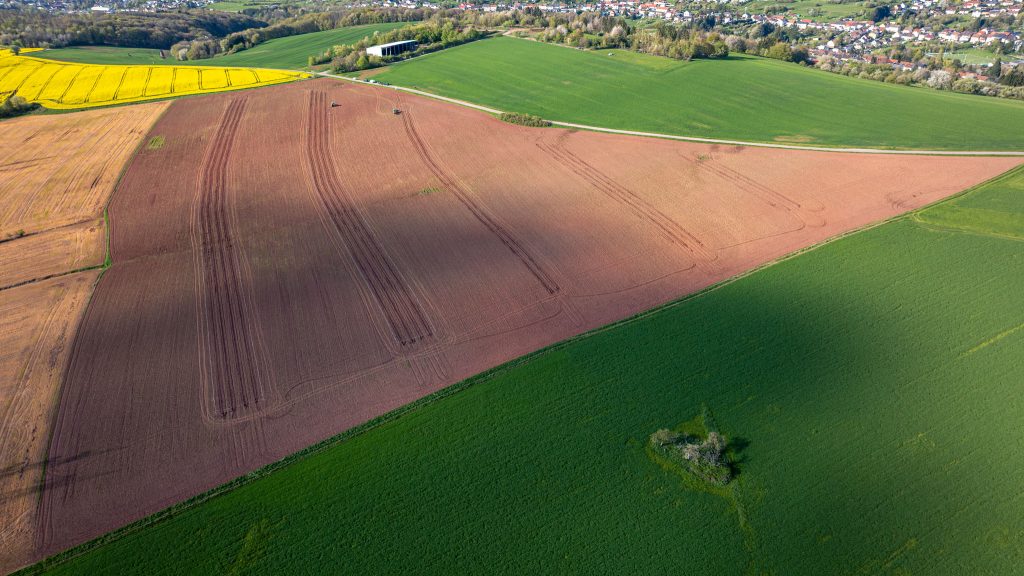
On 15th April, the AFaktive team planted an agroforestry system on an erosion-prone field in Saarland. Heavy rainfall leads to surface runoff, which forms over time distinct gullies (s. picture below) – an issue that can only deepen with climate change.
|
The solution? An alley cropping system that acts as a vertical barrier to water runoff on across approx. 12.4 ha. The 2,800 planted poplars will be harvested as energy wood while also offering wind protection for the cider apple trees – planned for the production of apple juice. Both tree species will therefore provide erosion protection, but also further income for the farm – a win-win situation.
|
|
|
|
|
|
© Frederik Wagener und Till Wagener (IfaS)
|
|
|
|
|
|
© Frederik Wagener und Till Wagener (IfaS)
|
|
Making agroforesters out of farmers
The establishment of new agroforestry systems and, especially, their upscale is at the very heart of the AFaktive efforts. But how does the project team actually support interested farmers?
|
|
Typically, three types of meetings take place:
|
|
1.) “Scoping meeting” to identify the farm characteristics and particularly water vulnerabilities;
|
|
2.) “Dreams and choices meeting”, what is the goal and specifically what are the value chains that will sustain the agroforestry system concretely?
|
3.) “Water meeting”, well, by this time, you should know we have a kink for water at AFaktive. This meeting involves ideally also regional stakeholders that are engaged with water management.
|
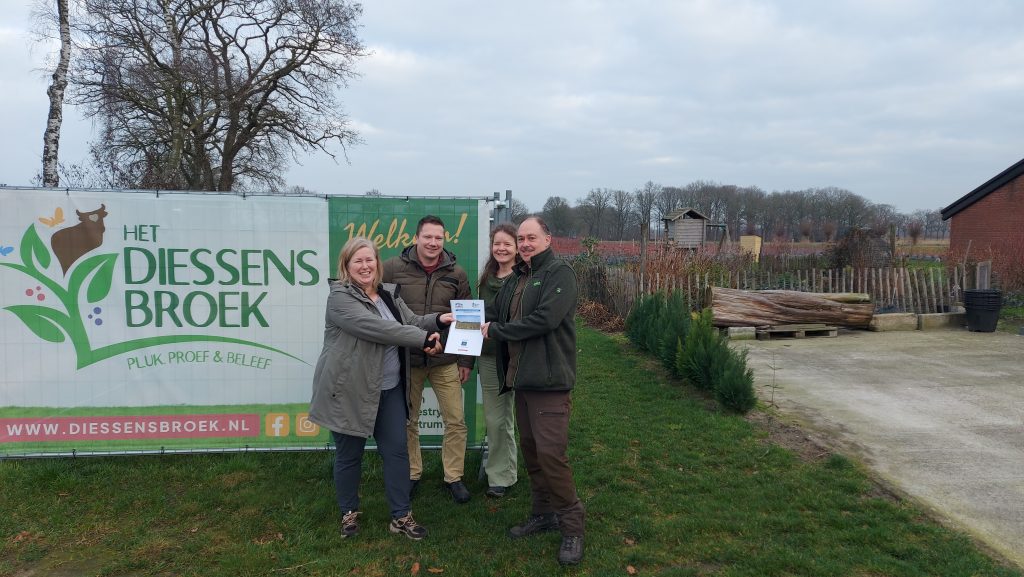
On this basis, the AFaktive team develops a so-called “Agroforestry and Water Management plan” (AWM plan), in the picture below the handover to Anouk and Lucien at the farm Het Diessens Broek.
|
|
|
|
Handing over of AWM plan to farm managers © FSG
|
|
A passion for sensors
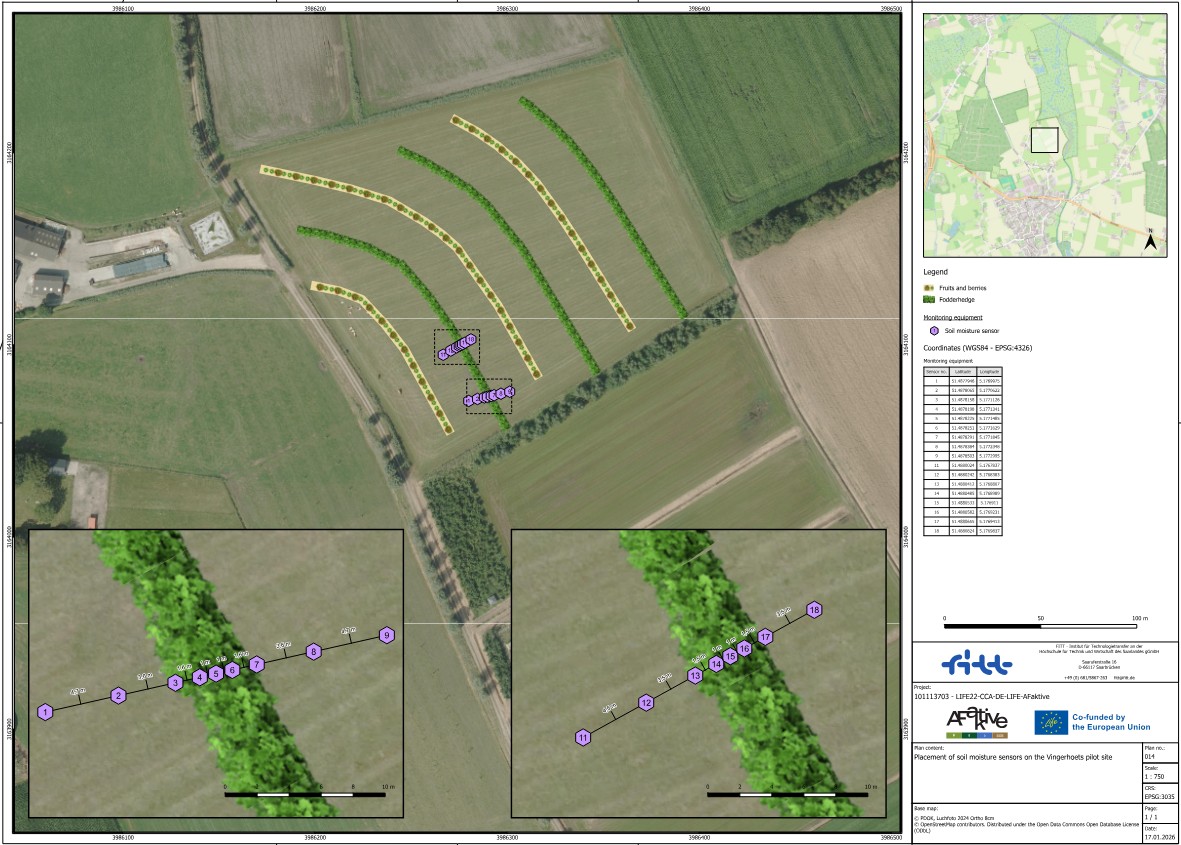
After the establishment of the AFaktive monitoring setup, the team was busy with the installation of the necessary sensors at the agroforestry farm sites, such as soil moisture sensors and weather stations.
|
The telemetry data delivered by the sensors enables the AFaktive research team to better understand the relationship between agroforestry systems and water balance. Furthermore, the data will also flow into the further development of Hydrotec rainfall simulation software. The software will facilitate the planning of agroforestry as a climate adaptation tool (water retention, erosion control, etc.).
|
|
|
|
Map of Diessens Broek with sensors transect by © FITT
|
|
AFaktive in the expansion phase
While AFaktive began with six pilot farms that are now well advanced in planning and implementation, the project is already moving into its next phase: the expansion to twelve additional farms across Germany, Belgium, and the Netherlands.
|
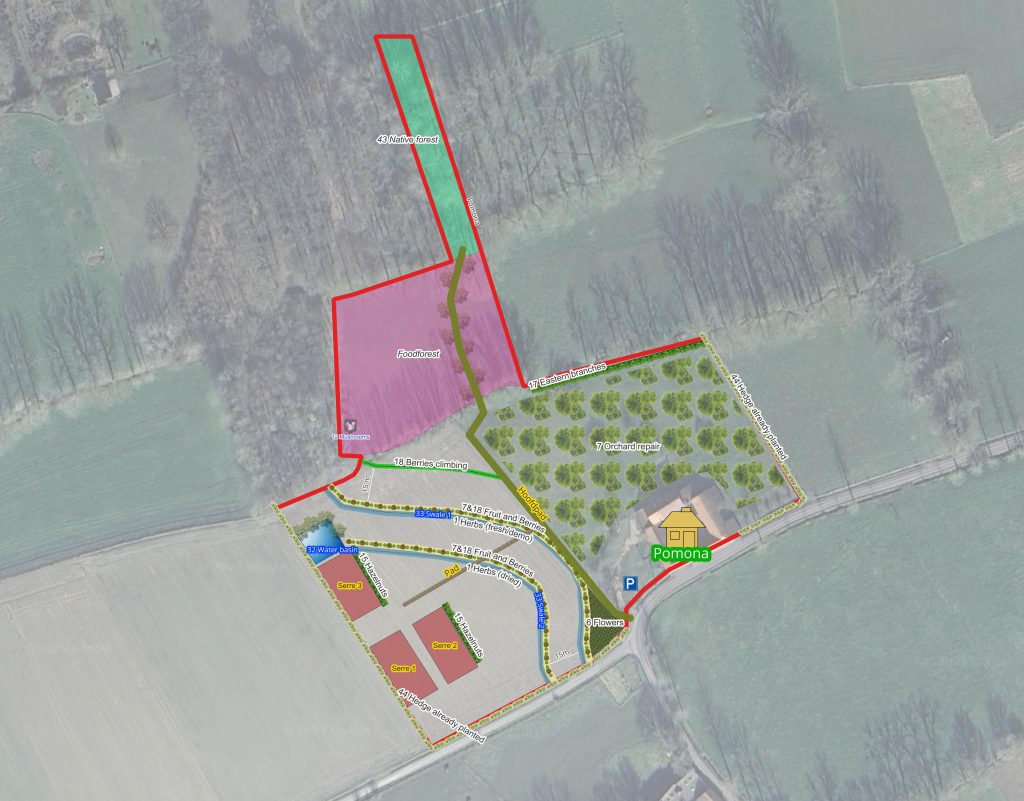
One of the first farms to engage in this early phase is Pomona Puur Aerde, a 2.7-hectare community-supported agriculture (CSA) farm in Brakel, in the Flemish Ardennes (Belgium). Building on this existing structure, the partners have developed a comprehensive Agroforestry & Water Management (AWM) plan for the entire farm—providing a “bird’s-eye view” of how agroforestry can support water management, production, and long-term resilience. The past winter the planting activities started, and the first preparations were made for the instalment of a swale in the fall of 2026.
|
|
|
|
AFaktive events
Agroforestry field day on wood value chains in Saxony-Anhalt
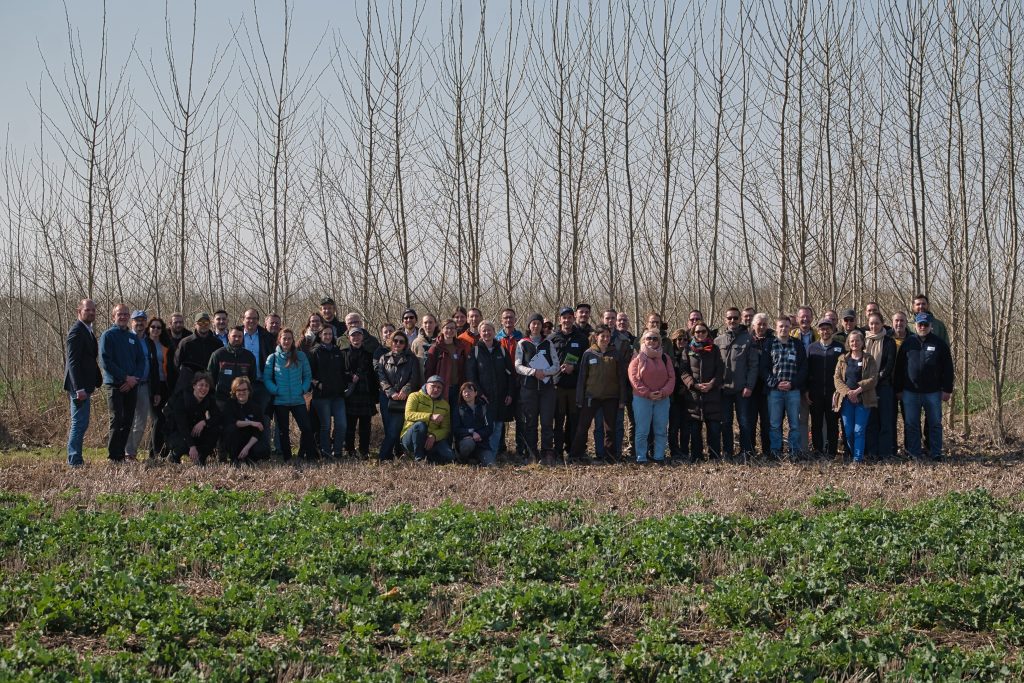
Different organisations and stakeholders came together on the 18th of March to explore the potential of agroforestry for the South Saxony-Anhalt region. Around a hundred people participated in the event, which focused on climate-resilient landscape design using agroforestry, agronomic topics and the question of which utilisation options for wood from agroforestry are promising. The day was rounded off with a visit to an existing agroforestry system on a plot in the municipality of Plotha.
|
By the end of the day, most participants agreed: agroforestry systems offer great potential for agriculture, society and the bioeconomy. And there is still much to be done to fully harness this potential.
|
|
|
|
|
Agroforestry Knowledge Centre Diessens Broek officially inaugurated
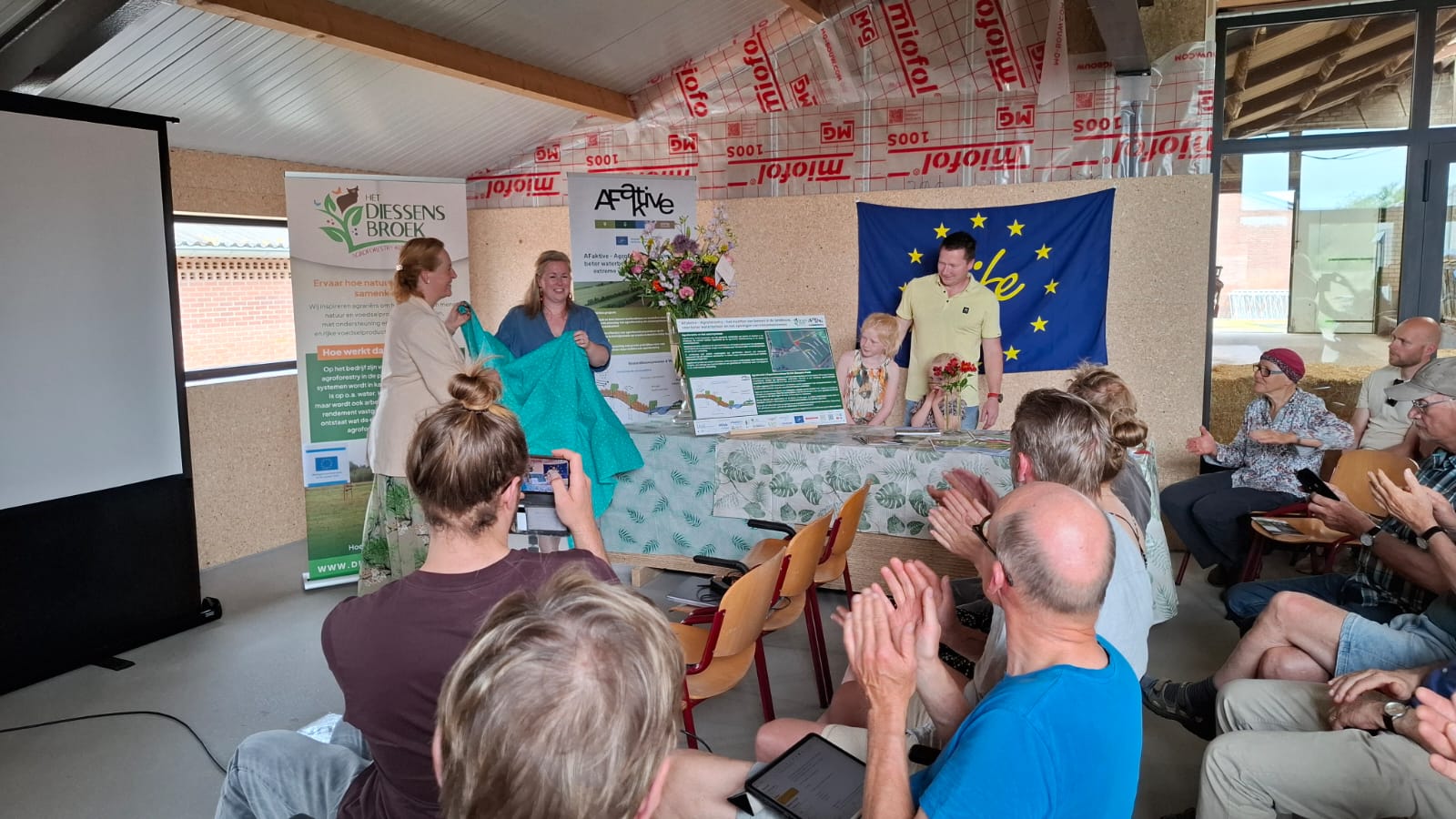
On 29 May, farmer-owners Anouk Vingerhoets and Lucien Daas welcomed Provincial Executive Member Hagar Roijackers of the Province of North Brabant to officially inaugurate their Agroforestry Knowledge Centre in Diessen — one of two Dutch AFaktive pilot sites currently conducting soil and water measurements. The event also marked the launch of a regional agroforestry network spanning East, Central and West Brabant, bringing together a growing community of practitioners. A promising step towards implementing agroforestry at landscape scale in the Netherlands.
|
|
|
|
|
AWAF advances agroforestry knowledge and reduces implementation barriers in Wallonia
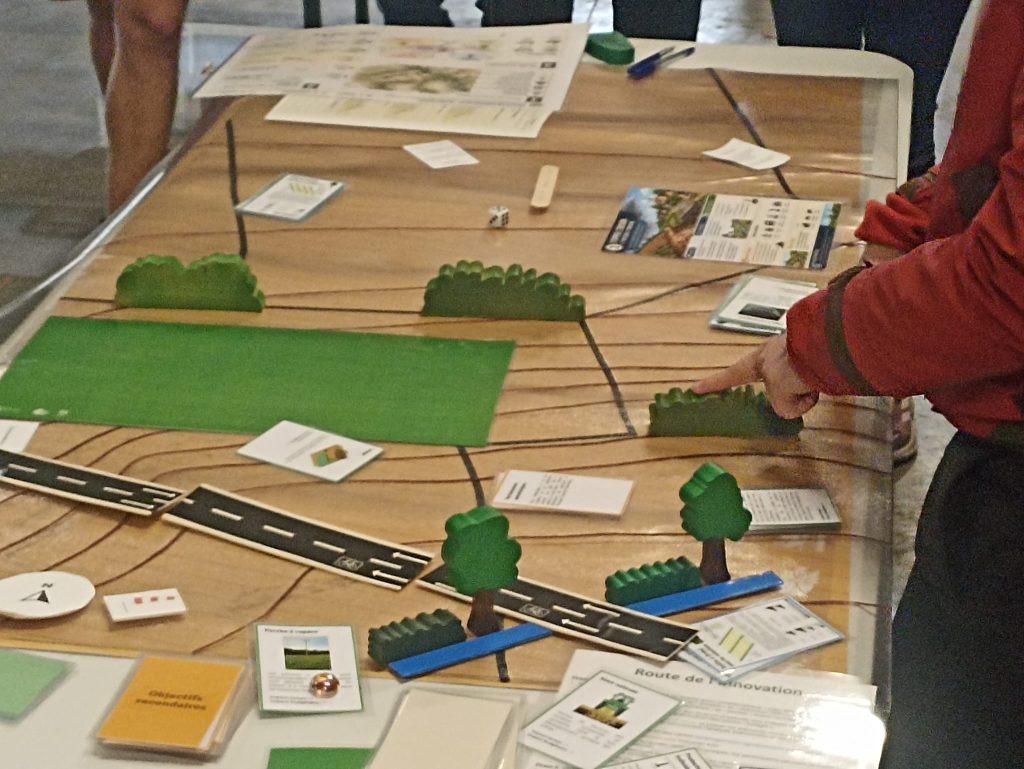
In June, AFaktive partner AWAF (Association for the promotion of Agroforestry in Wallonia and Brussels) participated in two events to promote agroforestry across Wallonia. In Hannut, AWAF coordinator Géraud de Streel presented the scientific evidence on how agroforestry systems improve water regulation in agricultural landscapes — reaching an audience of 15–20 farmers eager to learn more. The very next day, AWAF participated in a Carbon Farming innovation event in western Wallonia, where Géraud de Streel also facilitated a hands-on session using a serious game currently in development at AWAF — designed to guide participants through the agroforestry design process, including addressing erosion and mudflow challenges central to the AFaktive project.
|
|
|
|
Serious game on agroforestry design developed by AWAF and implemented at the Walloon event © Géraud de Streel
|
|
Agroforestry in Practice: VABI Students Explore Inagro's Agroforestry Site
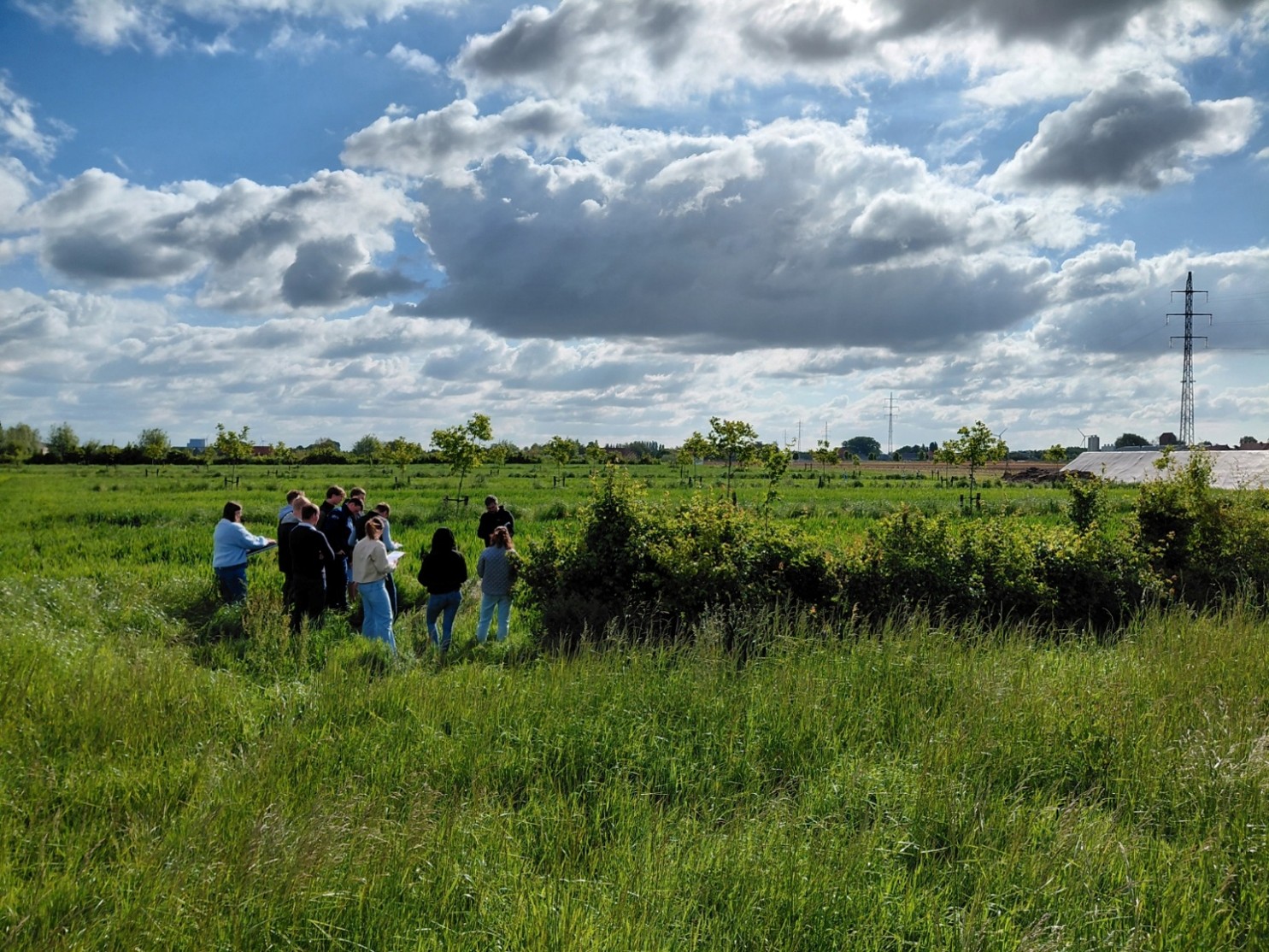
In early May 2026, 12 sixth-year agriculture students from VABI (Roeselare) visited Inagro's AFaktive agroforestry plot for a hands-on field trip. Researcher Willem Van Colen walked them through the key features of agroforestry and of the site — from raised planting banks designed to cope with waterlogging, to species-rich grass strips supporting insect biodiversity, to hedges serving as windbreaks and water regulators. For the students, it was a vivid teaching that agroforestry is far more than planting trees: it is a carefully designed system where agricultural production, water management, climate adaptation and nature go hand in hand.
|
|
|
|
Agriculture students explore the agroforestry plot (© Inagro)
|
|
|
AFaktive publications
Agroforestry as a tool for biotope connectivity and biodiversity conservation
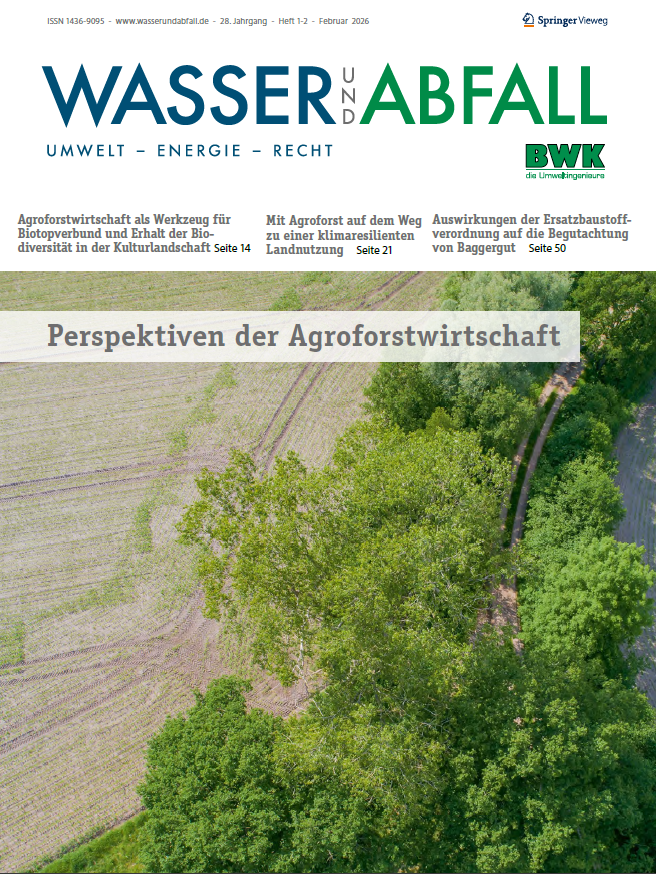
The AFaktive team has published, in collaboration with Geisenheim University, an article on the biodiversity relevance of agroforestry. Especially in light of climate change, agroforestry systems provide interesting ecosystem services for relatively modest financial outlays. Greater structural diversity in the landscape – through trees and shrubs – means greater biodiversity, as woody structures serve, for example, as habitats or biotope corridors. Should this (still) niche land use form become more widespread in agricultural practice – ideally through a collaborative approach for local value chains (energy wood, fruit, nuts, etc.) – agroforestry could contribute significantly to fulfilling biodiversity and watershed protection requirements.
|
|
|
|
News from the network
Agroforestry and river renaturation
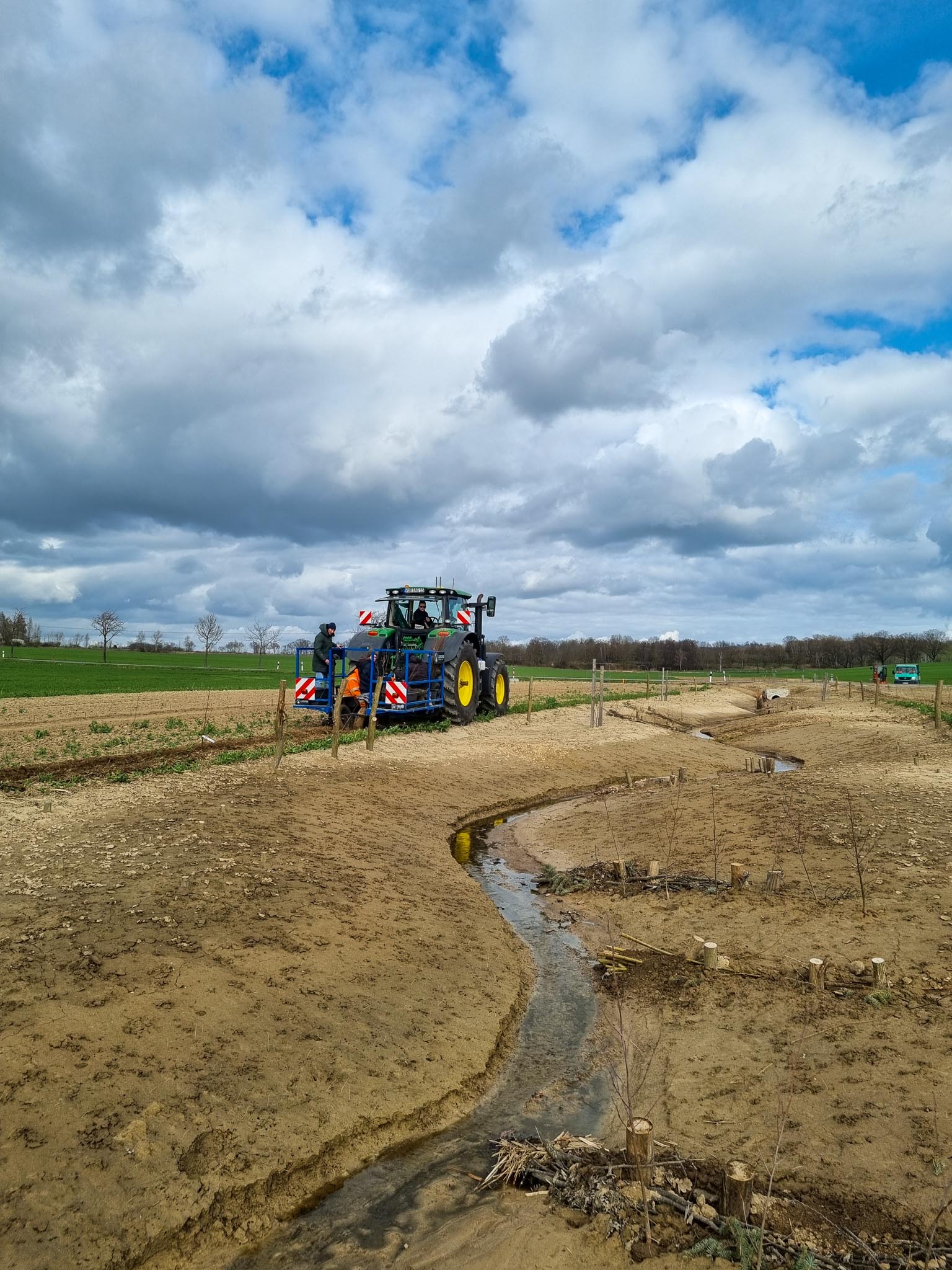
Within the framework of the AFaktive sibling project AGROfloW as well as the LIFE project ZENAPA, the first significant watercourse restoration project on the Tauchnitzgraben in Saxony-Anhalt demonstrates how the EU Water Framework Directive can be implemented collaboratively in agricultural regions. Last year, the neighbouring agroforestry system of Böhlitzer Agrar e.G., covering approximately 70 hectares, was planted. Following the exposure and renaturation of the watercourse in autumn/winter 2025/26, the agroforestry strips running alongside the watercourse were established on 26th March.
|
The agroforestry crops lining the stream, which are made of 17 different species of deciduous trees and shrubs, are managed sustainably and protect the watercourse. In addition, they provide food and shelter for a wide variety of animals and insects. This was a collaborative effort of many different stakeholders. This pioneering work reconnects cultural landscapes with their values and users, and devises solutions as the best possible compromise.
|
|
|
|
© Tobias Peschel (Lignovis)
|
|
ACORN agroforestry design tool launched
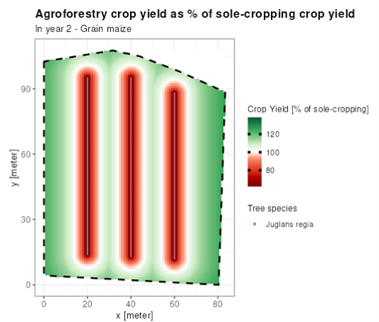
AFaktive partner ILVO recently launched ACORN (Alley Cropping Output and Revenue predictioN), a new interactive decision support tool – part of the “Agroforestry Planner” platform. The ACORN tool, which was made possible through connecting the AFaktive and DigitAF projects, supports the design of agroforestry systems by combining simulations of crop yields, crop quality, and wood production with an economic evaluation. The tool focuses on alley-cropping systems and simulates yields over a ten-year period following the planting of the trees.
|
|
Read full article and tool specifics here.
|
|
|
|
Pattern of crop yield in an alley cropping field as modelled by the ACORN tool
|
|
Call for co-funding – nature-based solutions
|
Do you work with the land or own land in the Euregio Meuse-Rhine? Do you have an idea to retain water and reduce drought or flooding?
|
The Interreg Meuse-Rhine project Sponge, coordinated by WWF Netherlands, supports local projects across the Netherlands, Belgium and Germany with co-funding, guidance, and proven nature-based solutions.
|
Applications are now open: link
|
Romanian wood-pastures
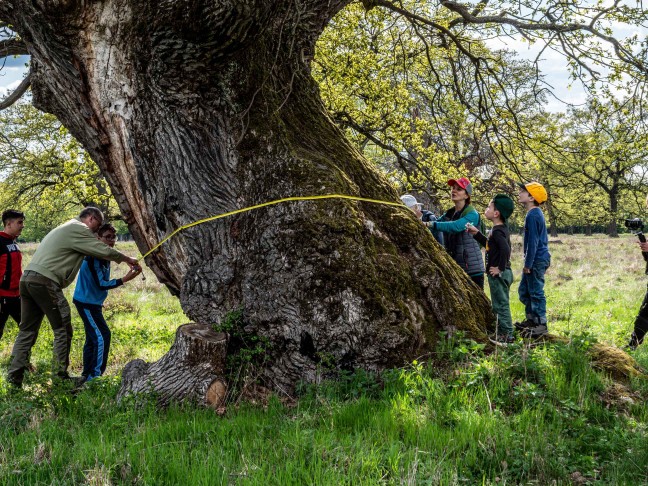
The final report of the Transylvanian Wood-Pasture project is now available and testifies the dramatic transformation of these landscapes within just few years. Iconic features of wood-pastures, such as the presence of large (ancient) trees, the relative absence of fences, scattered shrubs and rich wildlife (including bears) risk disappearing by 2030. Urgent action is needed to preserve these extremely species-rich, culturally enriching, and irreplaceable landscapes in Europe.
|
|
Read the report here, which aims not to lament decline, but to identify solutions for the biocultural transformation of wood-pastures into the future.
|
|
|
|
|
Upcoming events
10th July 2026: Agroforestry evening at the farm “Brussels Grondwitloof” of Thomas Cools. During this event, farmers interested to engage in an agroforestry adventure will be informed on the financial support measures and the guidance provided by ILVO, Inagro and other consortium partners.
|
|
10th September 2026: Open field day on the lighthouse farm “Esberg” in Merksplas, in the context of the Interreg project CAMBIUM. In the afternoon, an AFaktive capacity building workshop will be organised, aiming at engaging and informing local, regional and national policy actors.
|
|
|
|
    
|
|
|
|
The AFaktive project is funded by the European Commission's LIFE Climate programme under the grant agreement LIFE22-CCA-DE-LIFE-AFaktive. Views and opinions expressed are, however, those of the author(s) only and do not necessarily reflect those of the European Union or CINEA. Neither the European Union nor the granting authority can be held responsible for them.
|
|
|
|
|
|
|
|