A unique practical research and demonstration site has been created
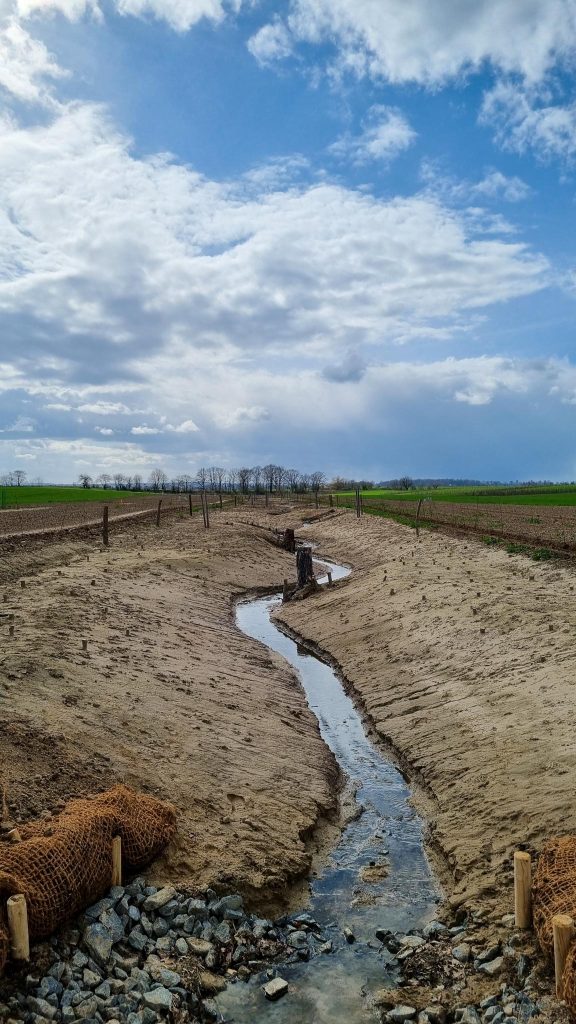
The first significant watercourse restoration project on the Tauchnitzgraben in the municipality of Lossatal demonstrates how the European Water Framework Directive can be implemented collaboratively in agricultural regions. Here, local authorities, farmers, planners, water management bodies, the energy sector, landowners and nature conservation organisations are working hand in hand on a practical solution: the result combines the excavation and near-natural development of the formerly piped Tauchnitzgraben with the accompanying use of agroforestry strips in a new restoration concept.
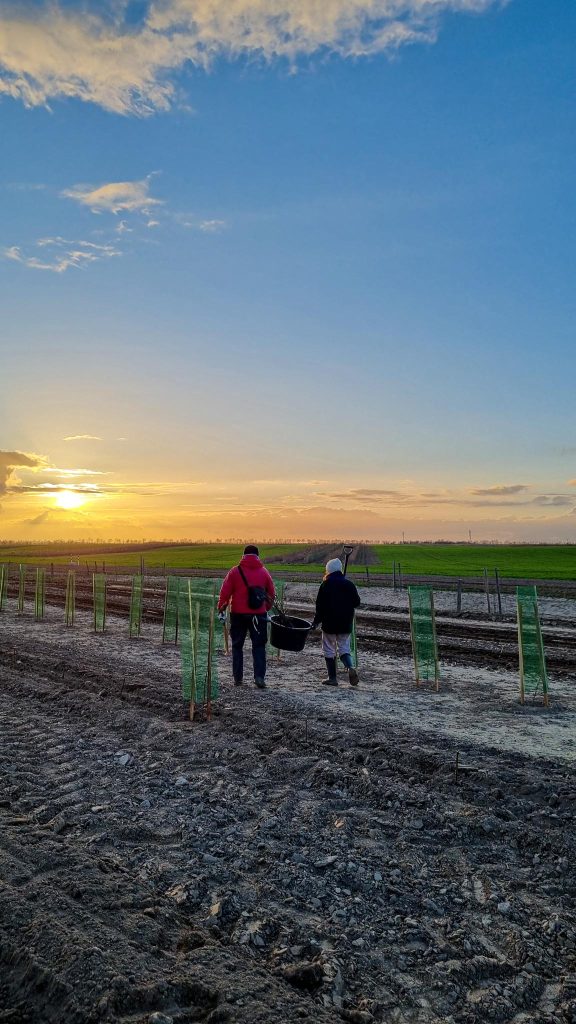
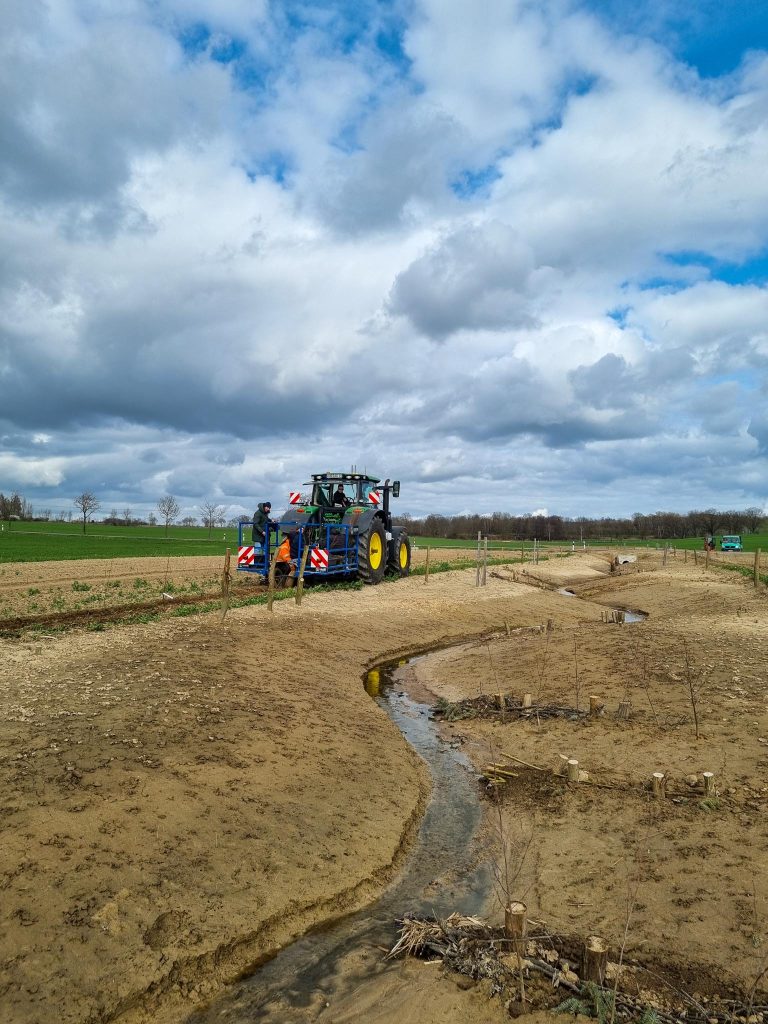
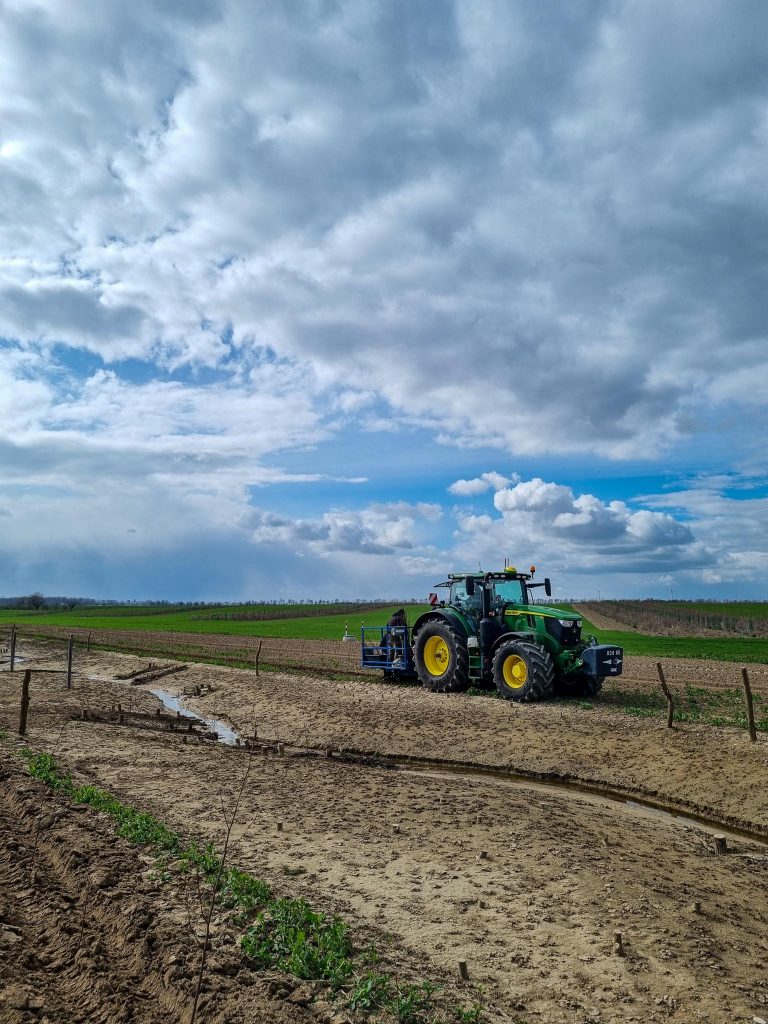
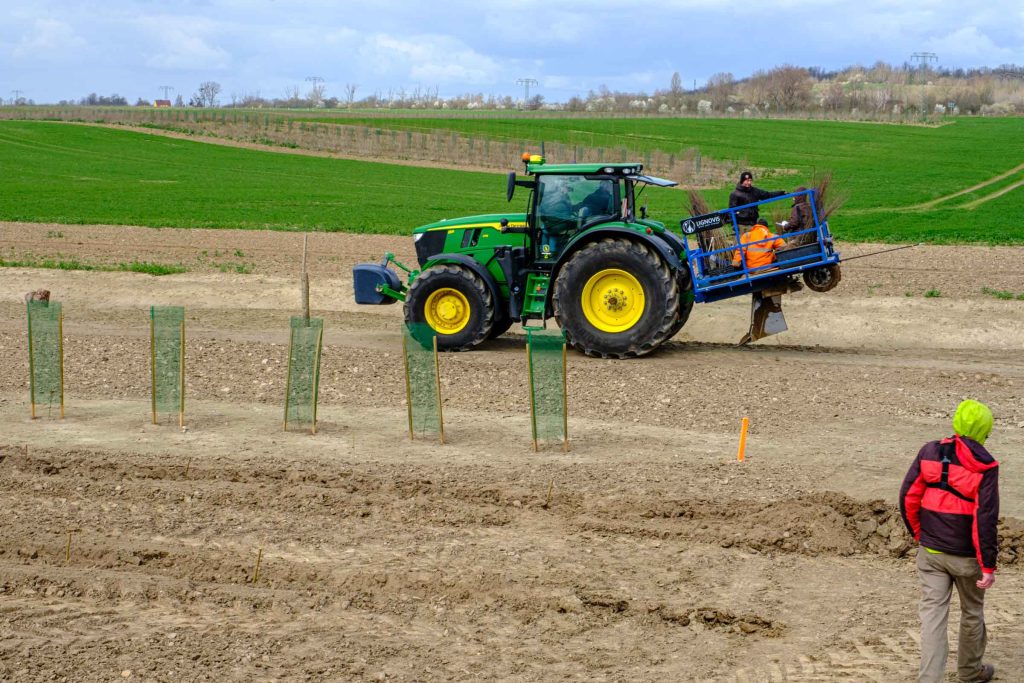
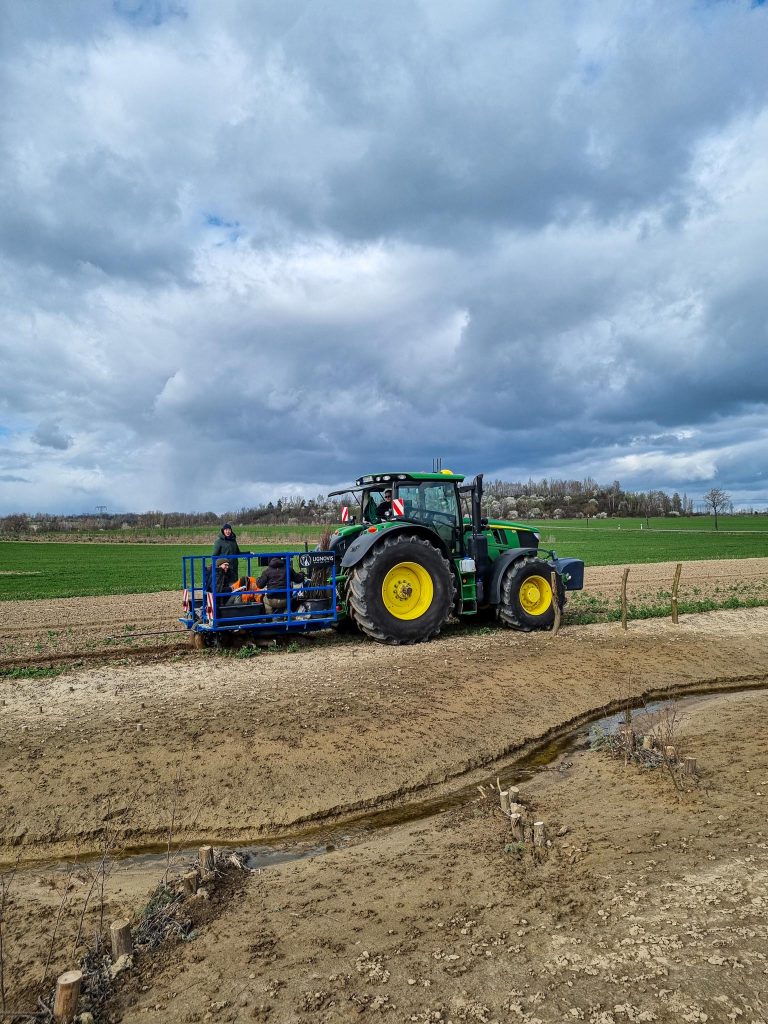
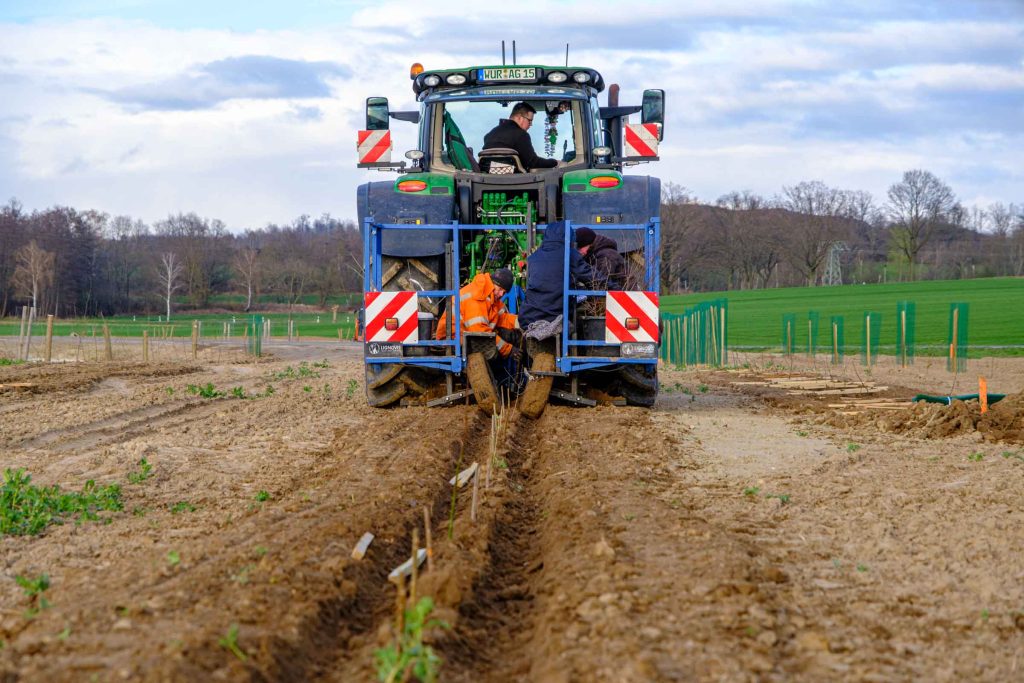
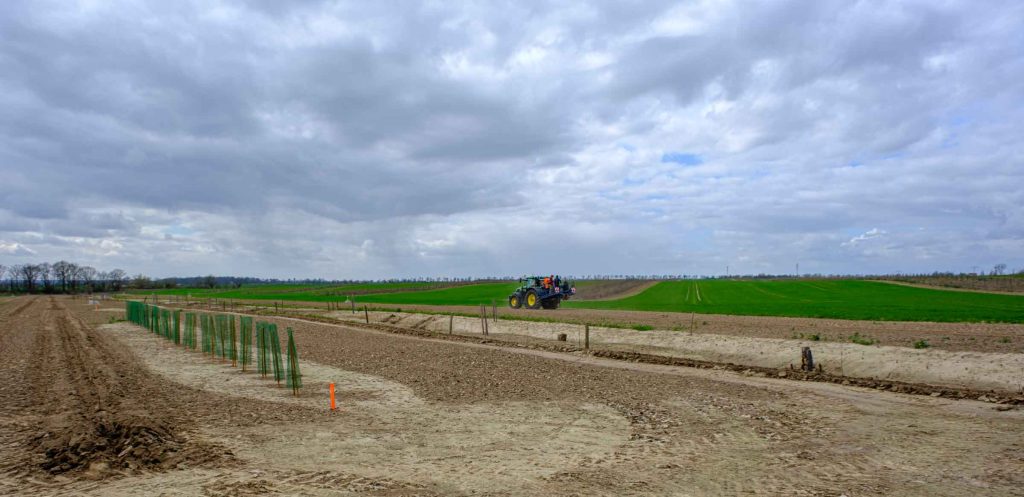
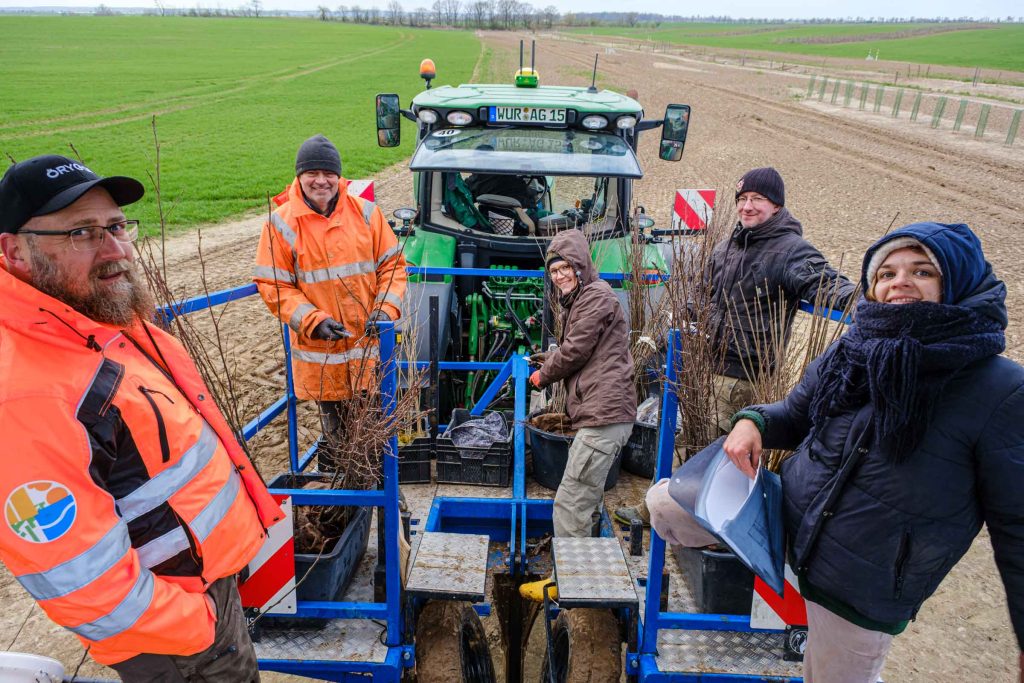
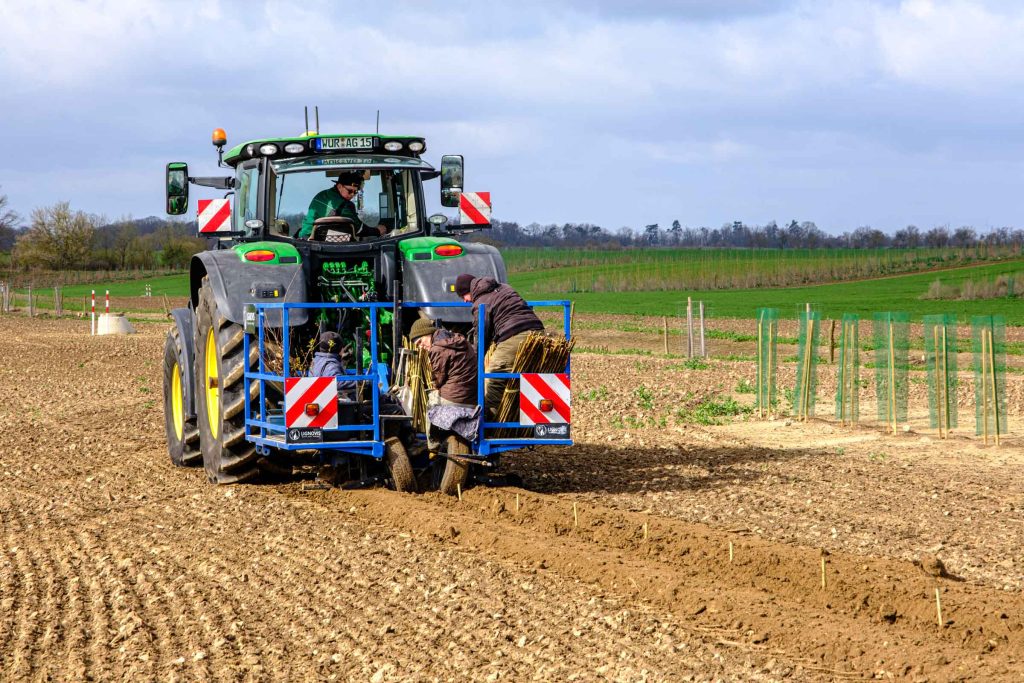
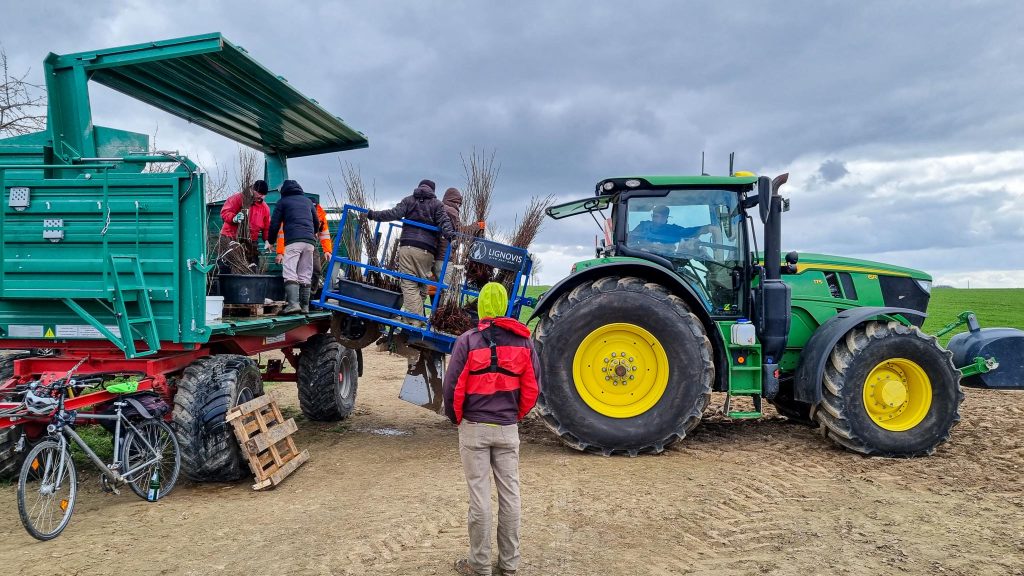
Last year, the neighbouring agroforestry system of Böhlitzer Agrar e.G., covering approximately 70 hectares, was planted and has established itself extremely well. Following the exposure and restoration of the watercourse in autumn/winter 2025/26, the agroforestry strips running alongside the watercourse were established on 26 March 2026. This combination is unique in Germany and is now intended to set a precedent. For this reason, the site has been designated as a research and demonstration site within the AFaktive sibling project AGROfloW.
Culture and landscape belong together
The message is clear: culture and landscape belong together, just as they have been for centuries: agroforestry crops line the stream, are managed sustainably and protect the watercourse. In addition, they provide food and shelter for a wide variety of animals and insects. As a local network of habitats, this exposed ‘lifeline’, with its diversity of trees and shrubs, supports wild fauna such as wildcats and bats. This cultural landscape development can now be studied and evaluated alongside crop yields, for who would have thought that restoration and energy production were what made this cooperation possible in the first place? The two go hand in hand and form part of a successful cultural landscape development that brings all stakeholders together in a sound compromise.
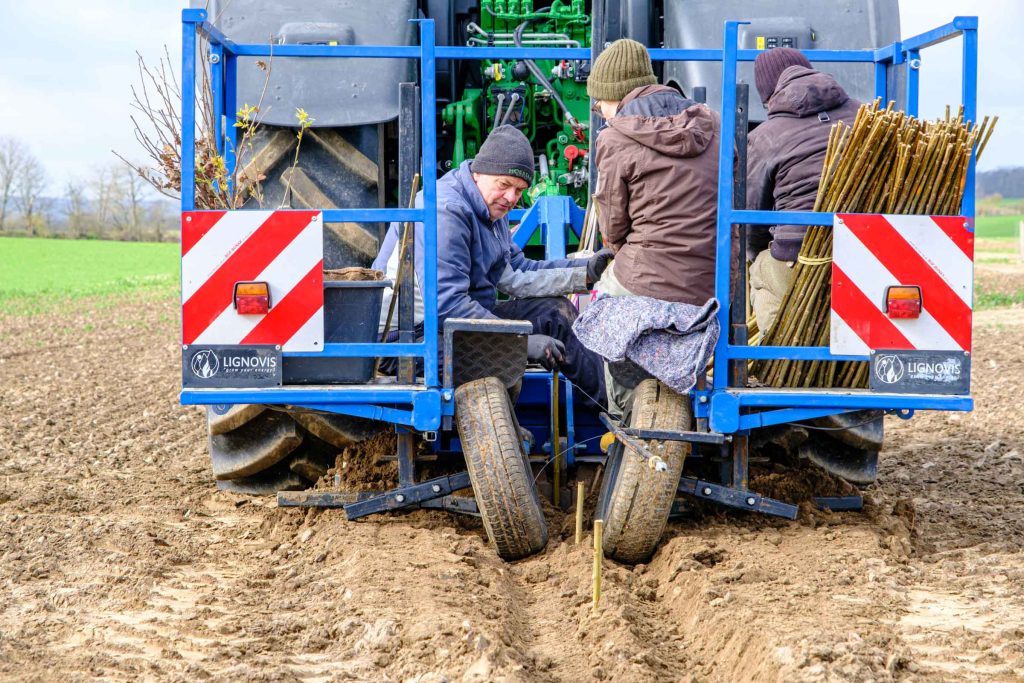
A total of 17 different species of deciduous trees and shrubs, representative of the potential natural vegetation (including black alder, bird cherry, European white elm and sycamore), were planted alongside three different hybrid poplar varieties in various planting arrangements. This amounts to a total of 2,380 trees and shrubs across 20 different species and varieties, which will now provide us with insights into their growth behaviour and community dynamics.
From concept to collaborative implementation
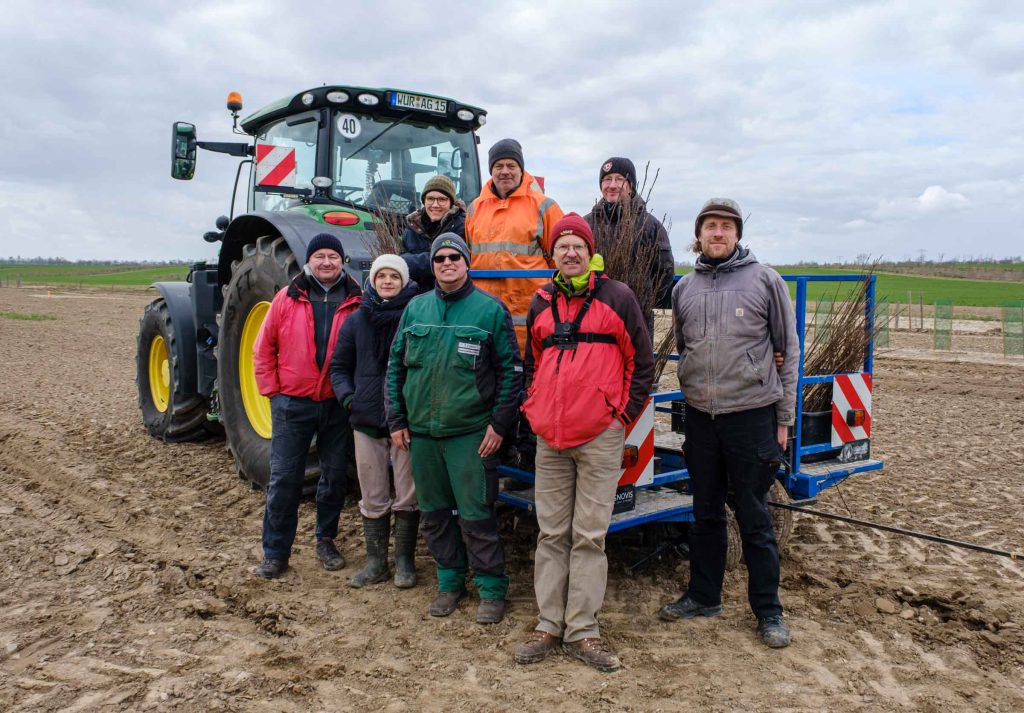
The restoration concept was developed as part of the WERTvoll and ElmaR I–III projects. We would like to thank all those involved and the funding bodies who supported and carried out this work. Special thanks go to our colleagues at Stowasserplan GmbH & Co. KG, who, together with IfaS, developed, planned and implemented the concept in a creative and practical manner, and who, since 2017, have jointly driven forward the idea of a collaborative implementation of the European Water Framework Directive with farmers, local authorities and local businesses. This pioneering work finally reconnects cultural landscapes with their values and users, and devises solutions as the best possible compromise.